The World's First Living Reliability System
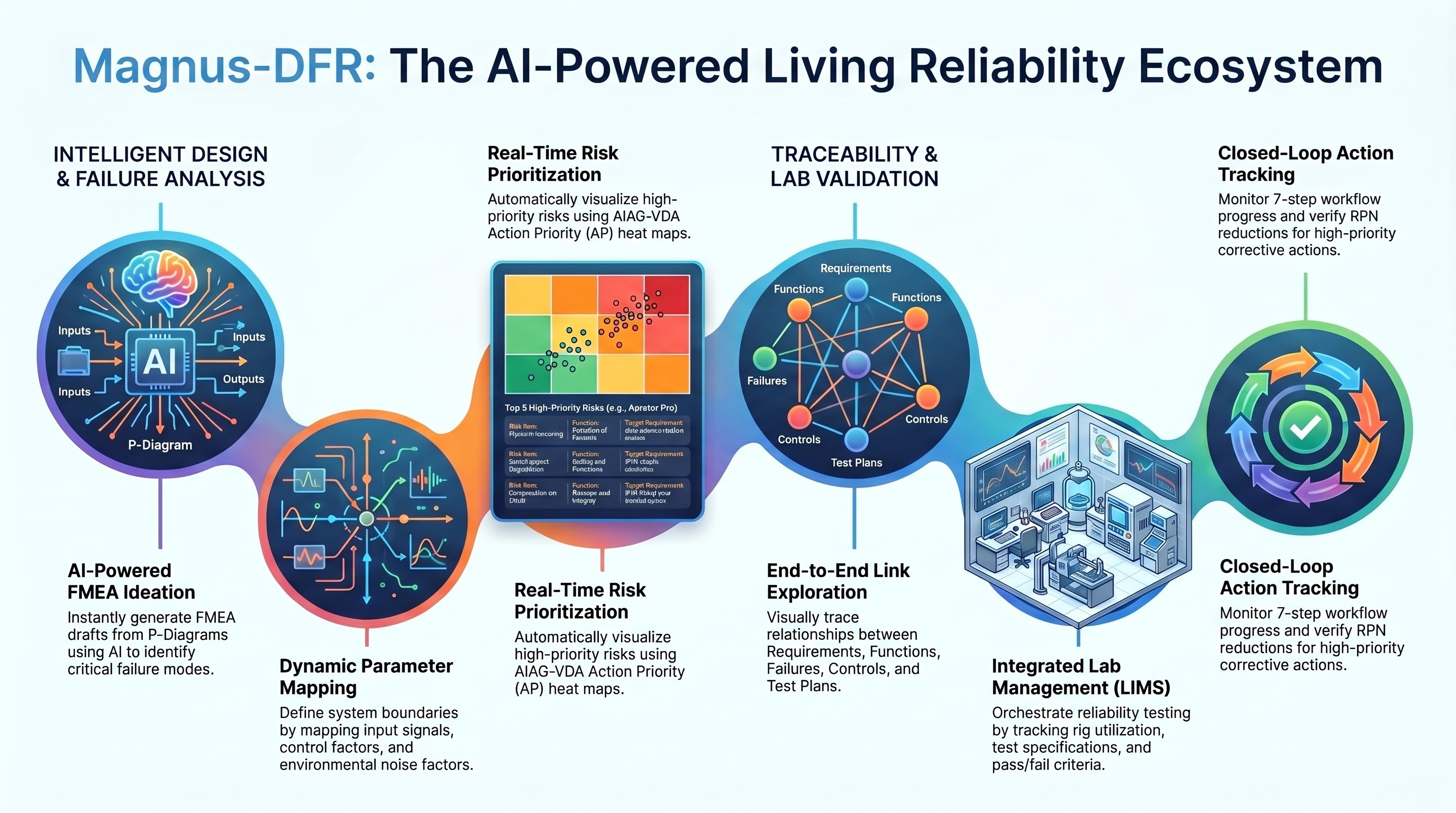
21 specialized AI agents. One living platform. DFMEA, PFMEA, FRACAS, and reliability analytics — all connected, all intelligent.
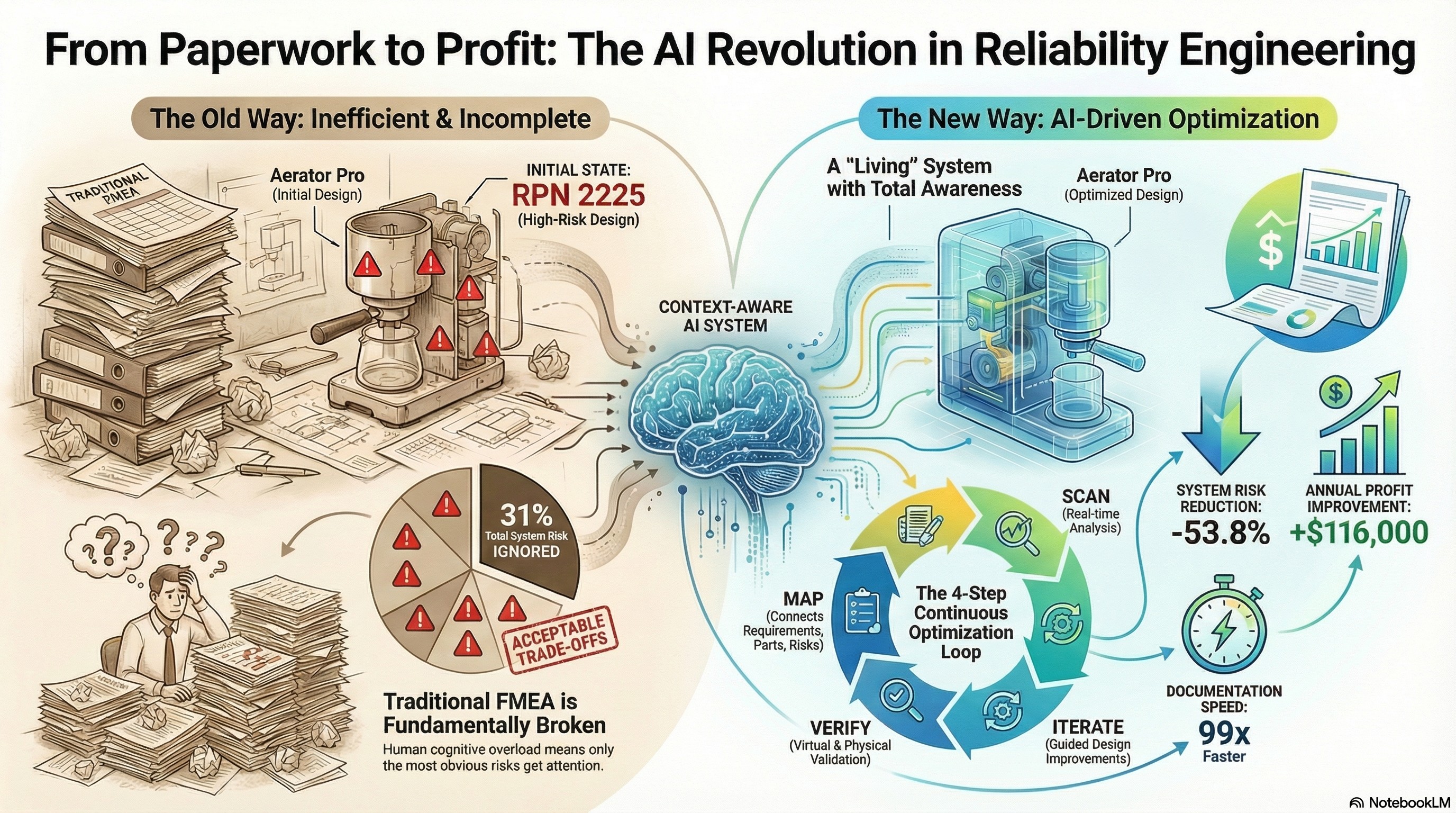
❌ The Old Way
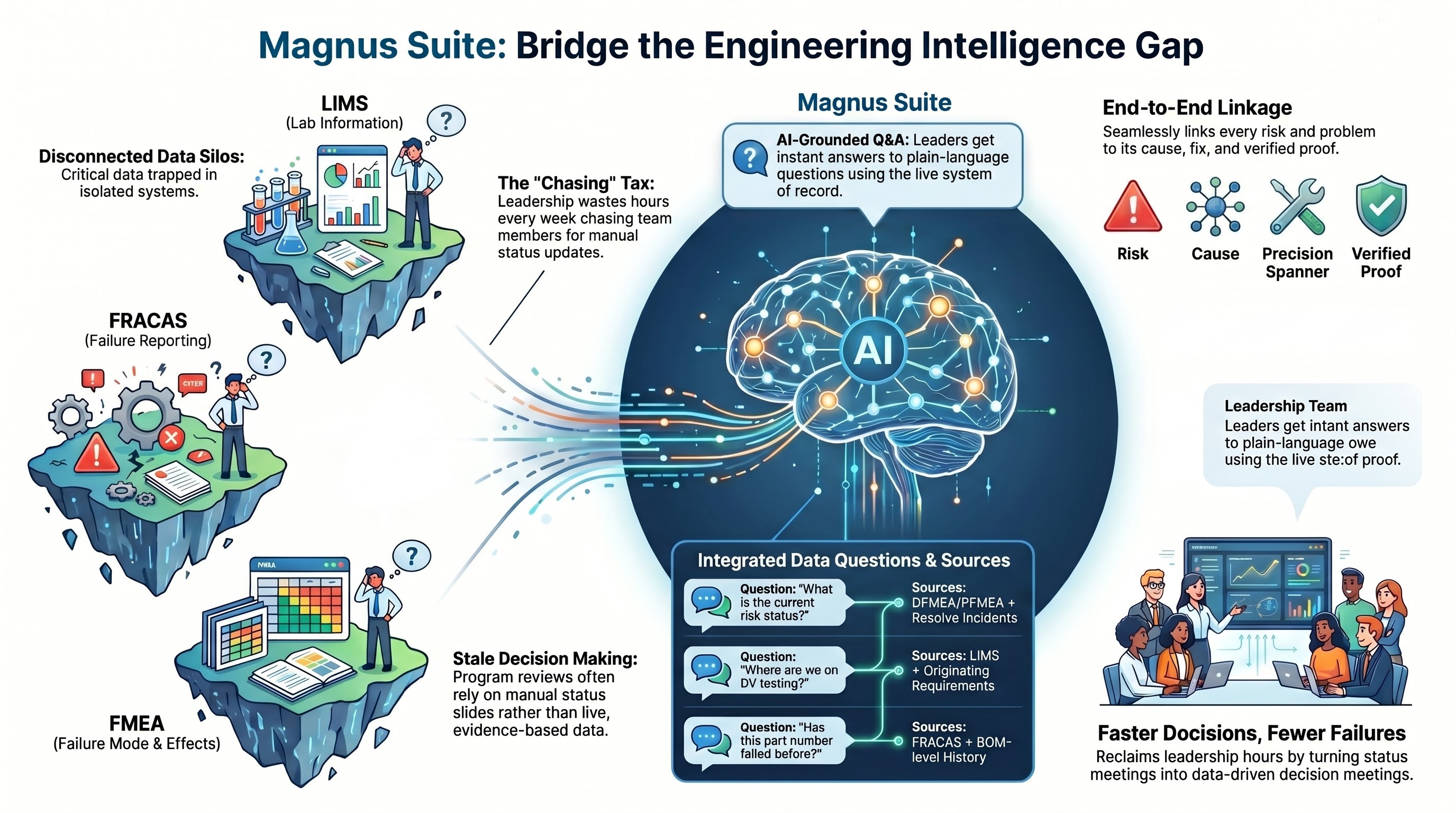
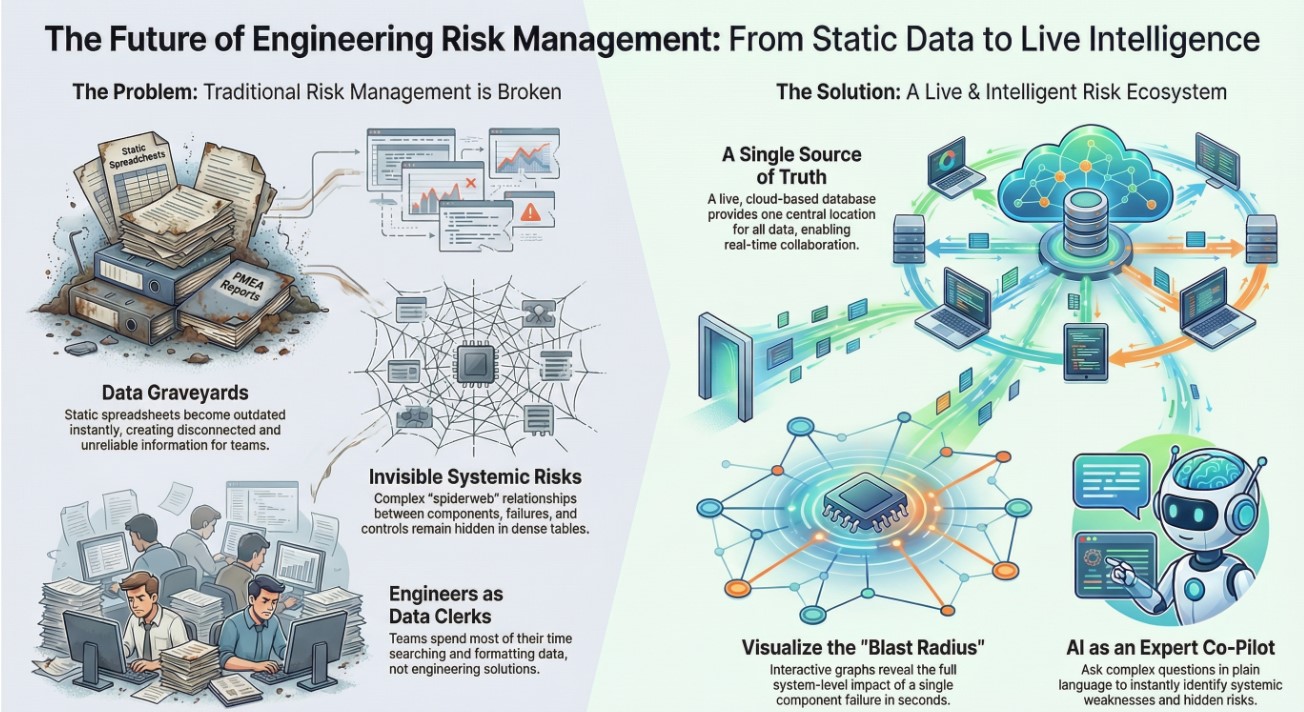
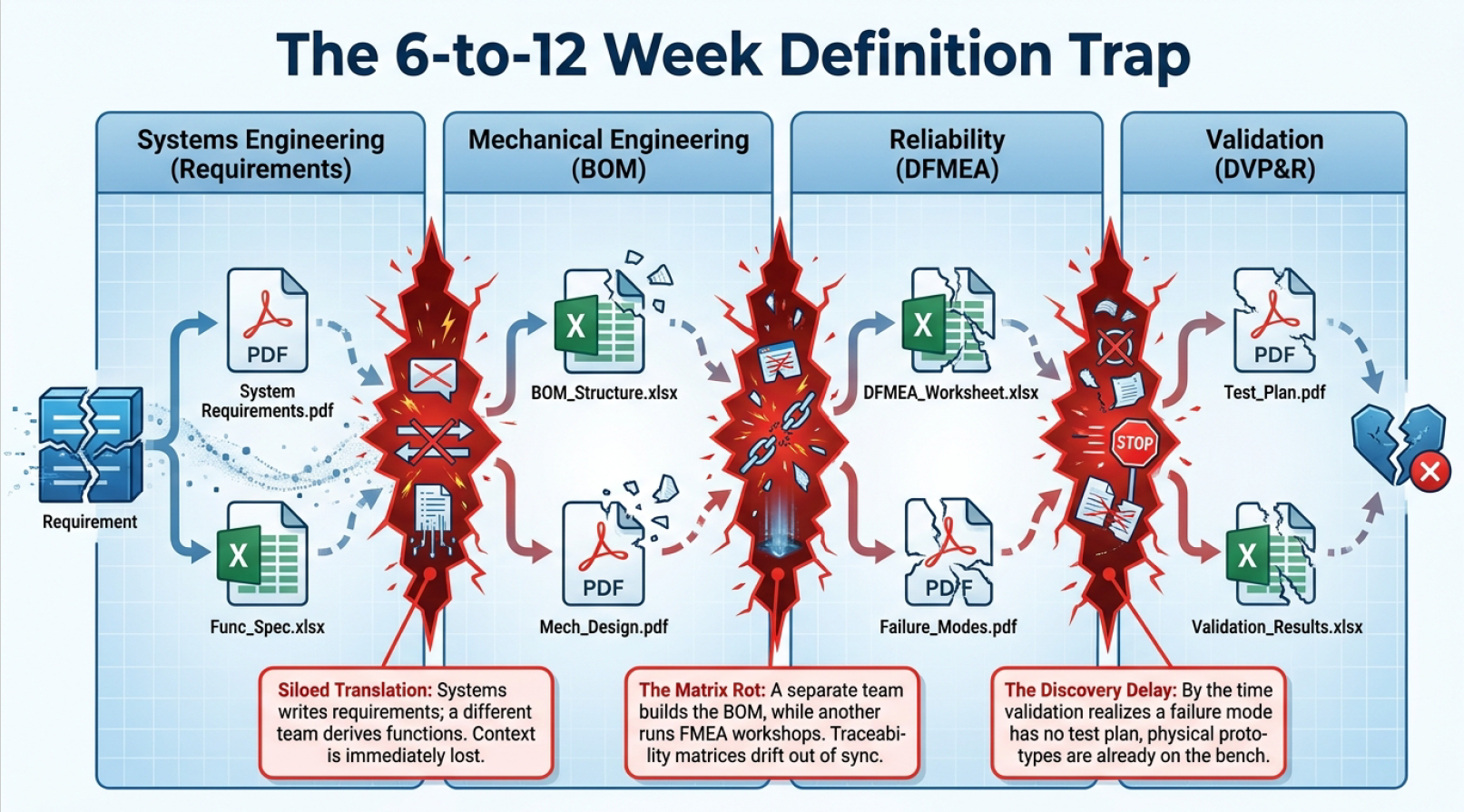
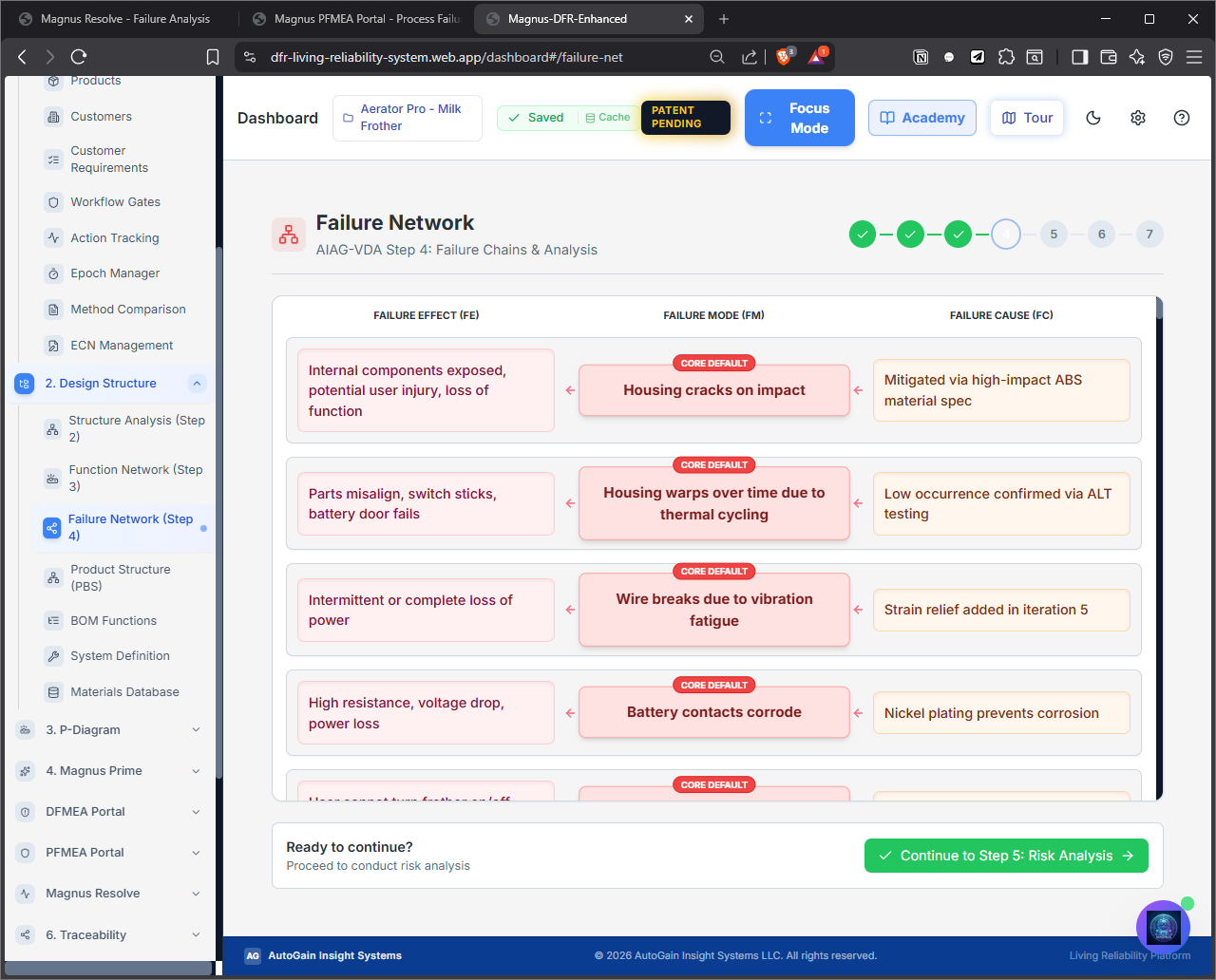
Excel spreadsheets, Minitab, standalone FMEA tools — none of them talk to each other. Knowledge is trapped in silos.
✓ With Magnus
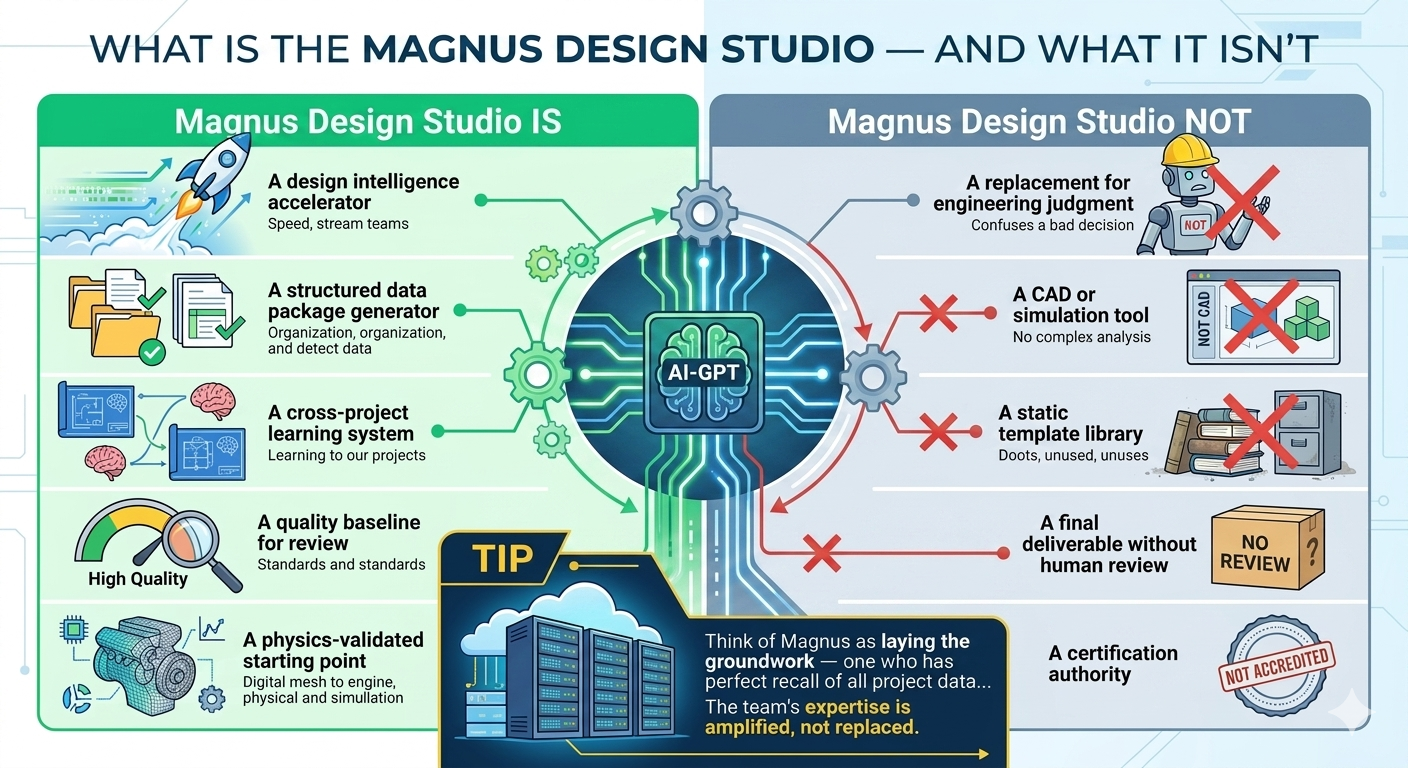
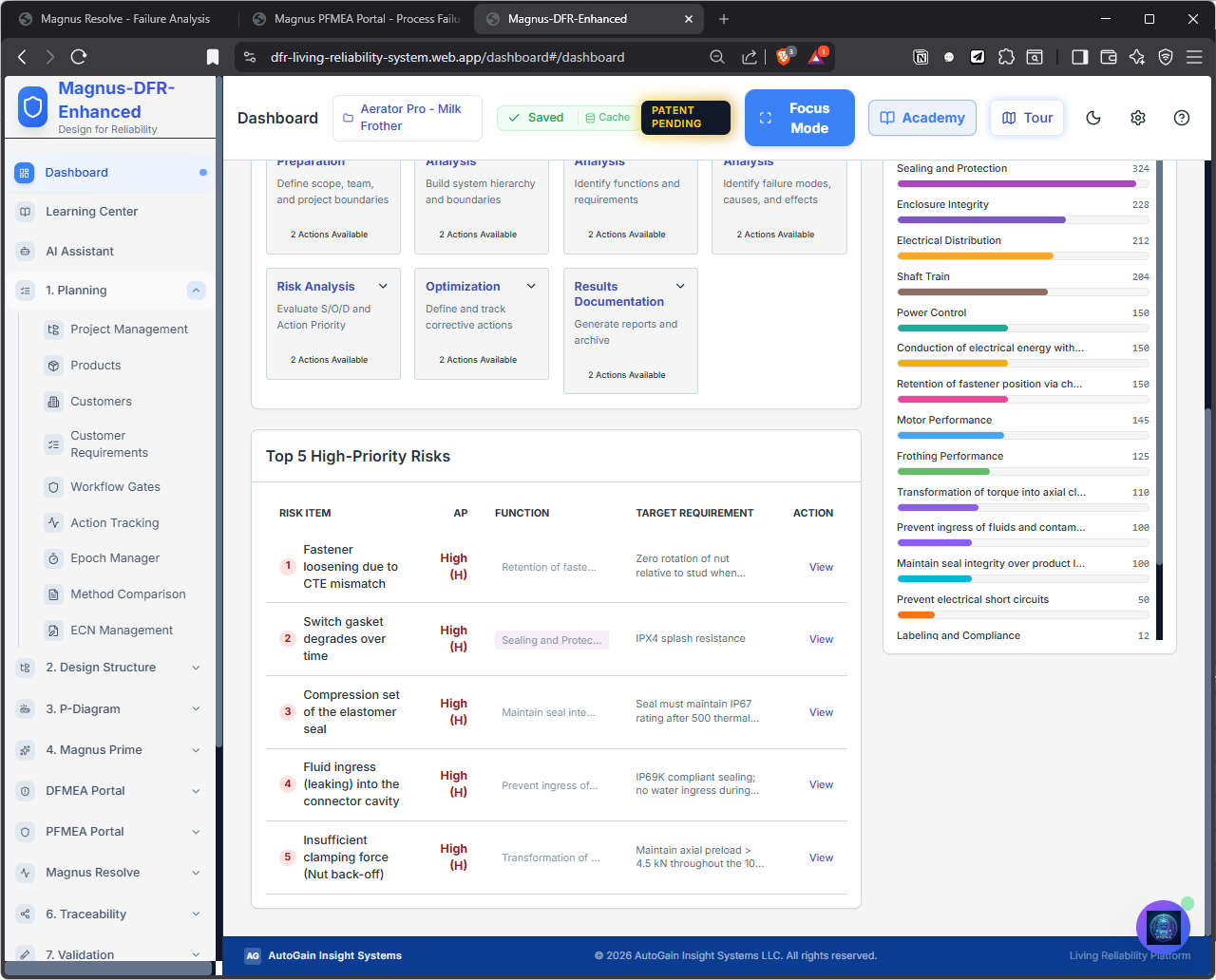
One integrated platform — design, process, field, and analytics all connected.
❌ The Old Way
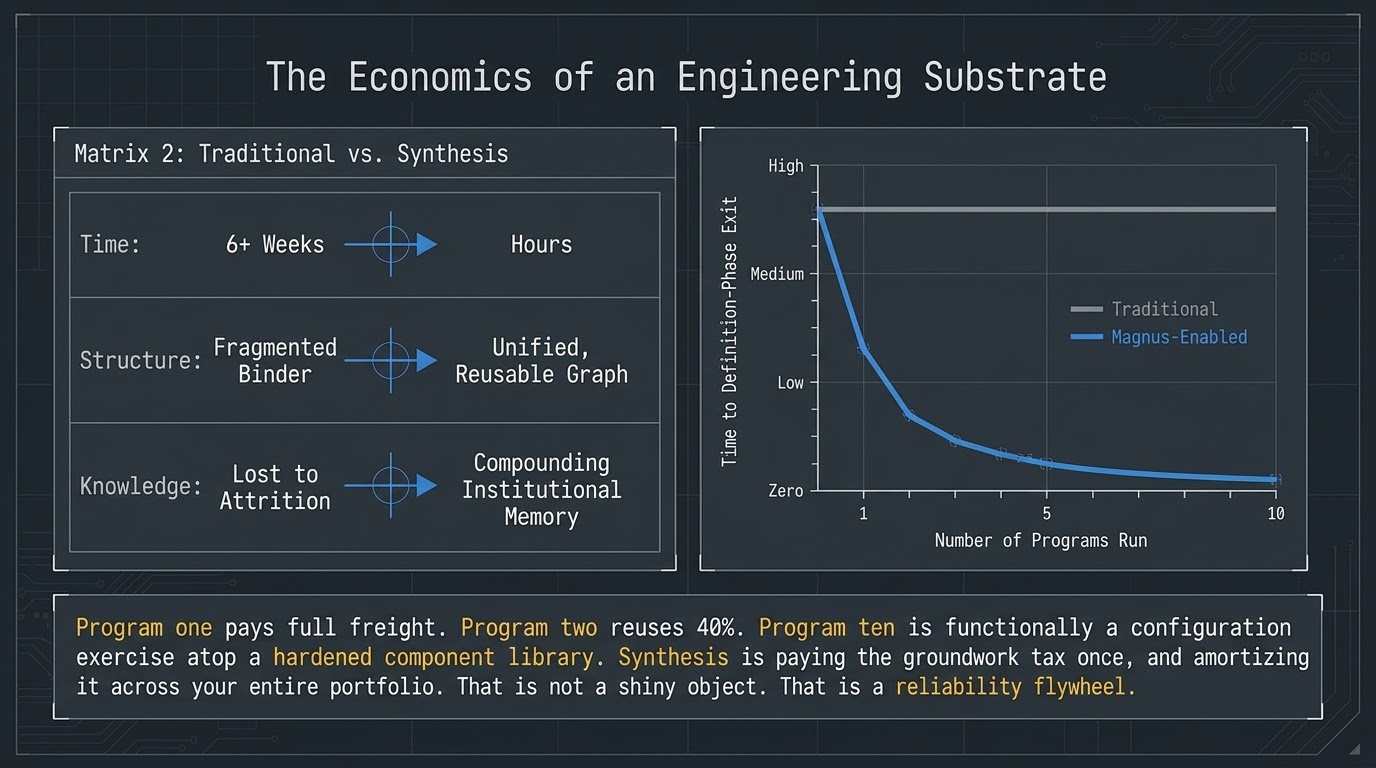
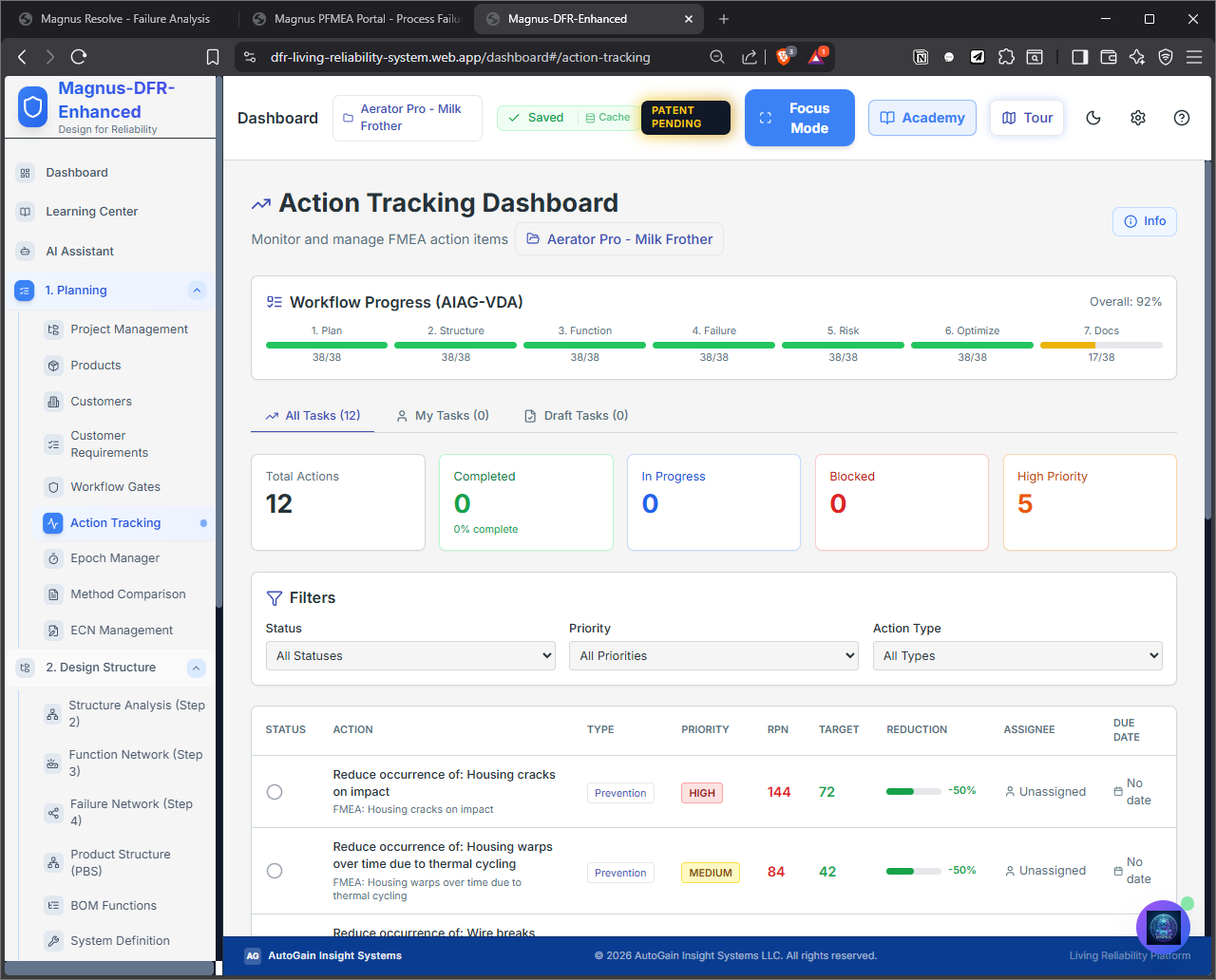
Creating FMEA documentation takes weeks of tedious manual work. Updates never happen, and the document becomes stale.
✓ With Magnus
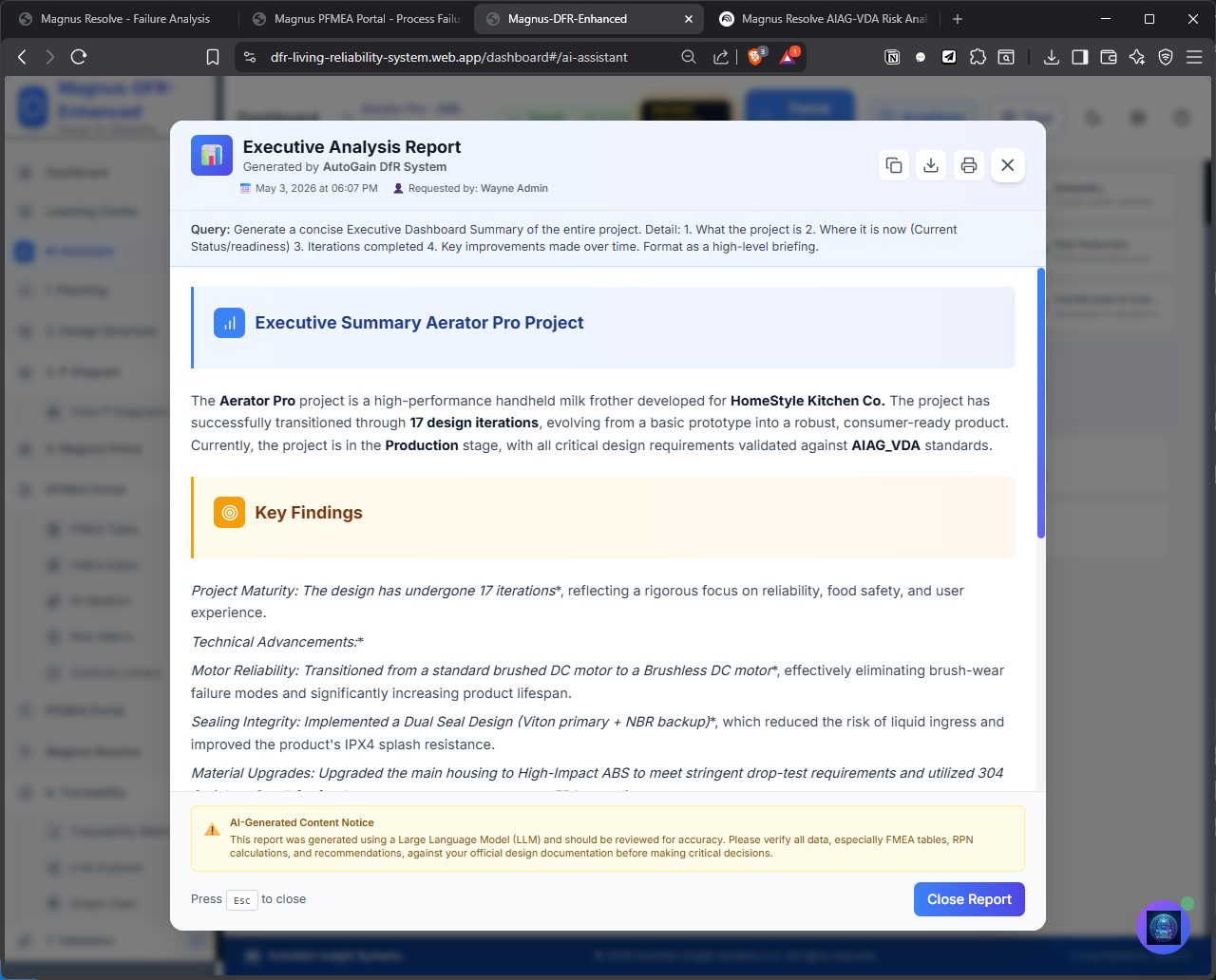
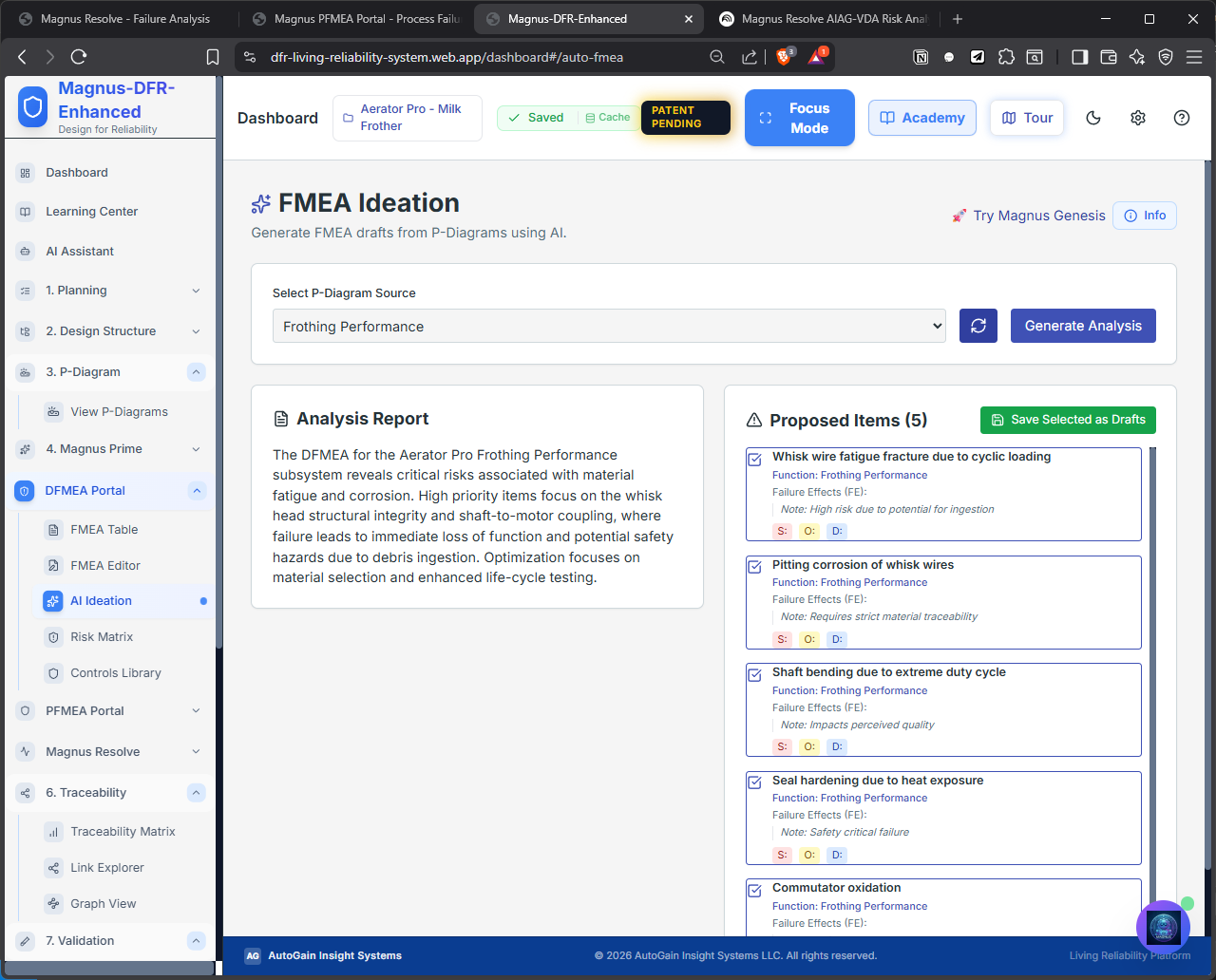
AI generates comprehensive FMEAs in minutes. Living documents that update automatically.
❌ The Old Way
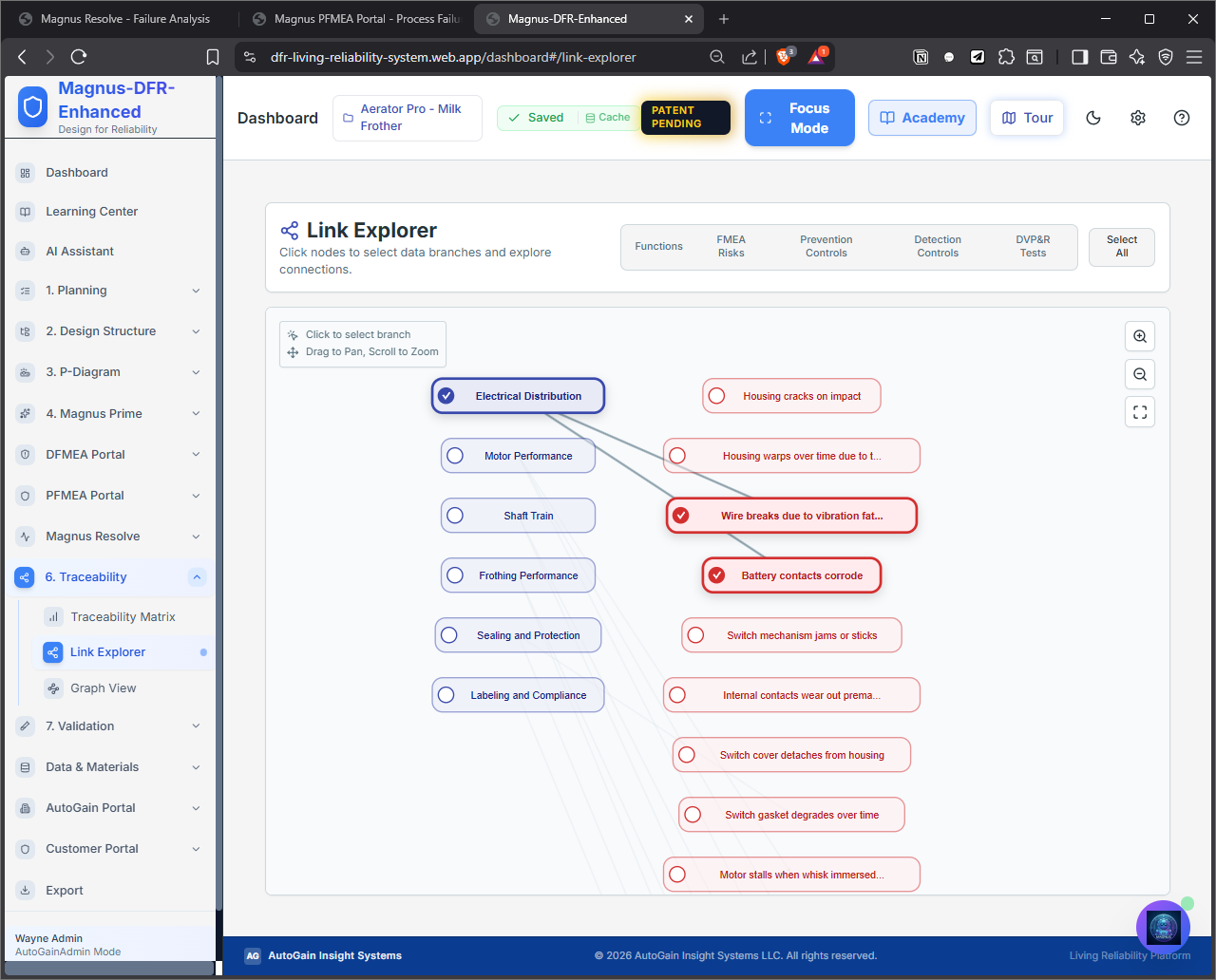
Customer returns and warranty claims arrive as expensive surprises. No systematic link from field data back to design.
✓ With Magnus
Living feedback loop — field failures automatically feed back to design FMEAs.
⚡ The Intelligence Behind Magnus
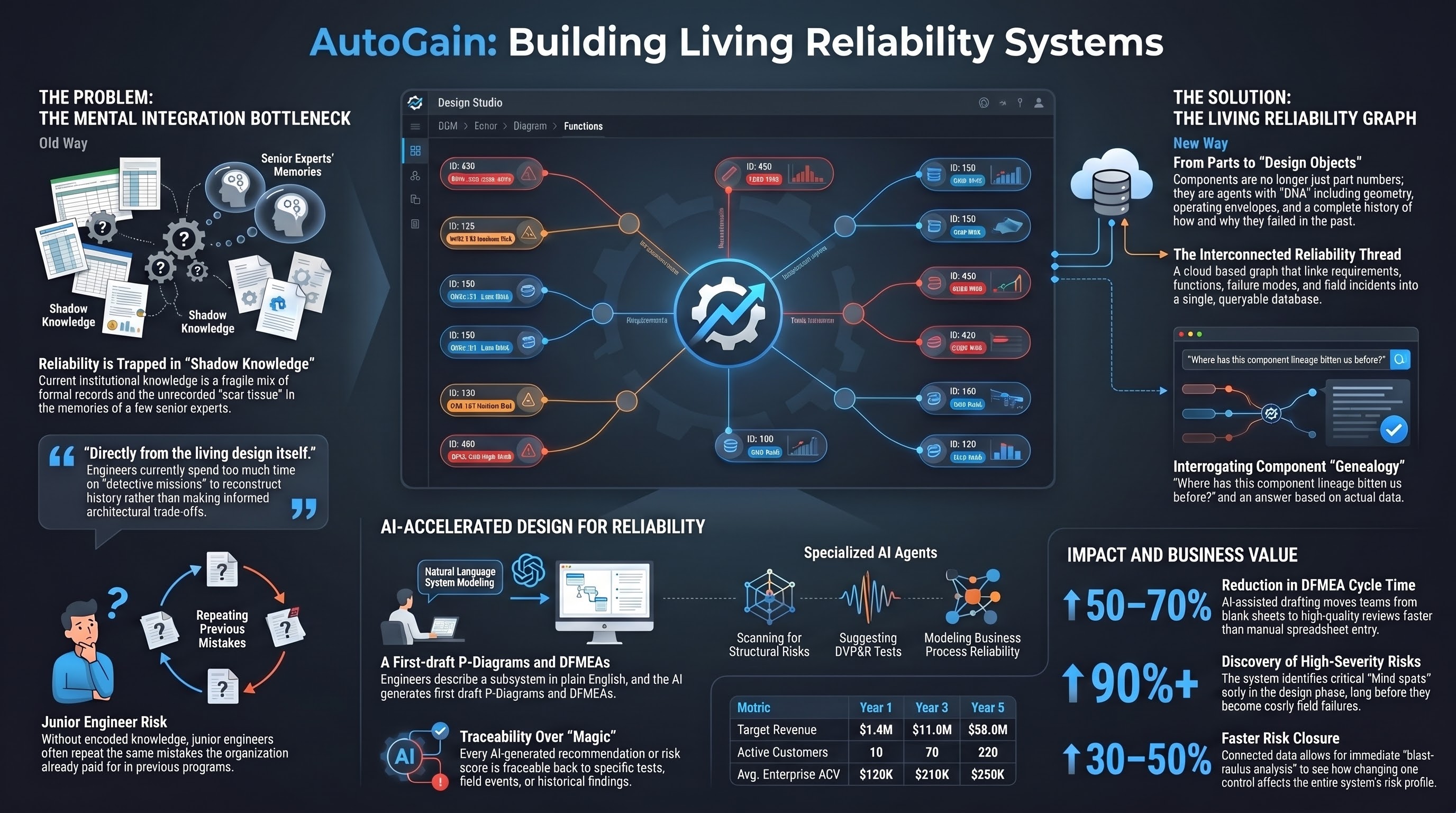
Magnus deploys 21 specialized AI agents through a structured SIPOC pipeline — each trained for a specific engineering domain, each validated, each learning from every project.
Magnus doesn't use one generic chatbot for everything. It orchestrates 21 domain-expert agents through a validated SIPOC Descent Pipeline — from research and requirements all the way through physics simulation, 3D geometry, and quality scoring. Each agent has a specific competency and is validated before its output moves downstream.
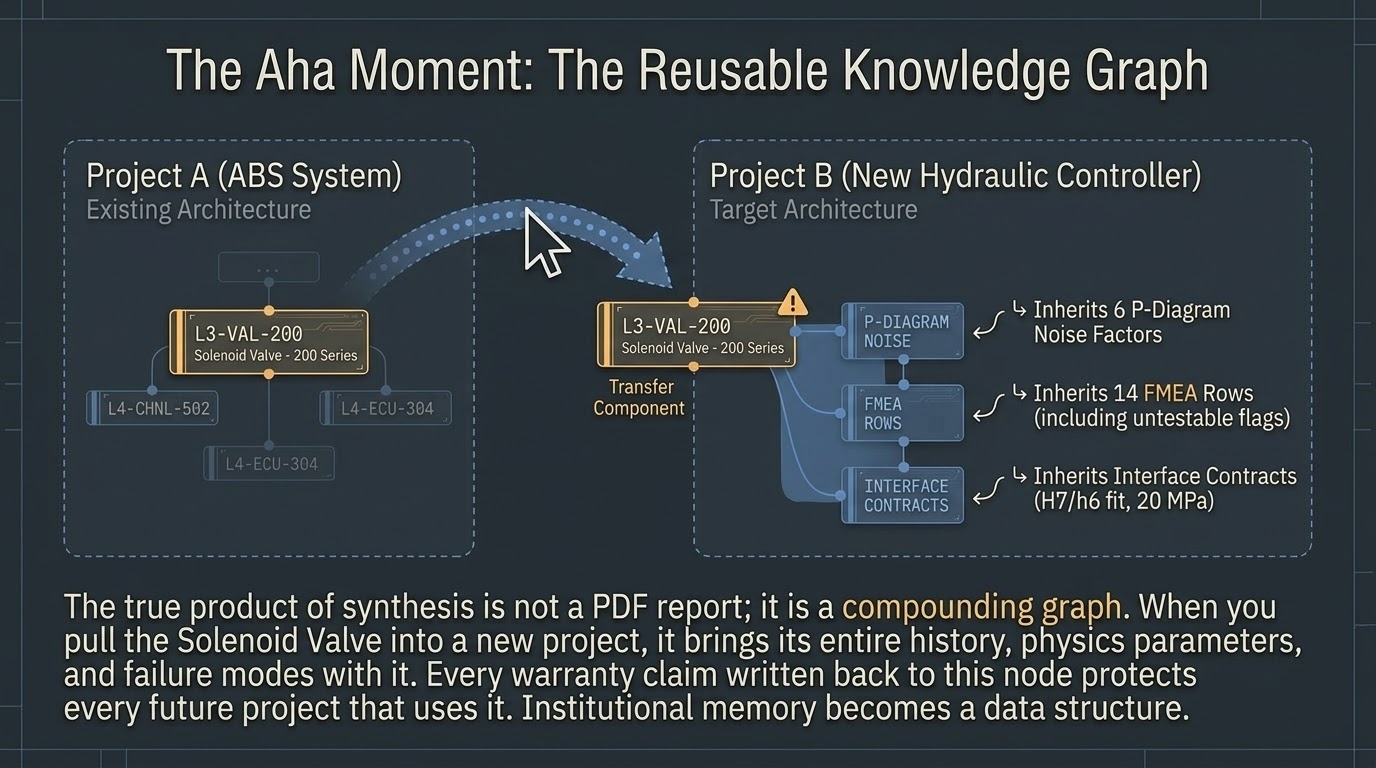
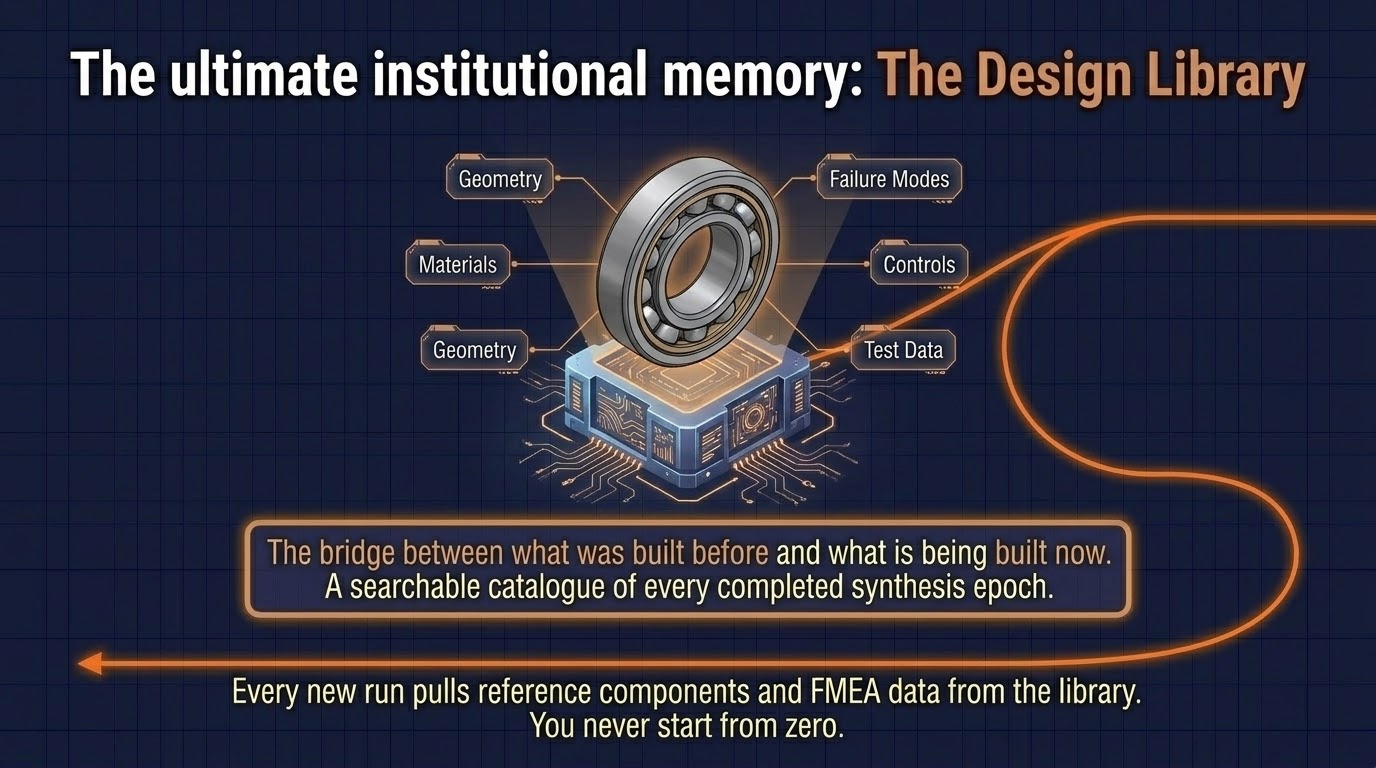
Every validated engineering decision, failure mode, and corrective action is stored in a ChromaDB vector database. When you start a new project, Magnus leverages this cross-project intelligence to provide increasingly accurate suggestions — without re-training the base model.
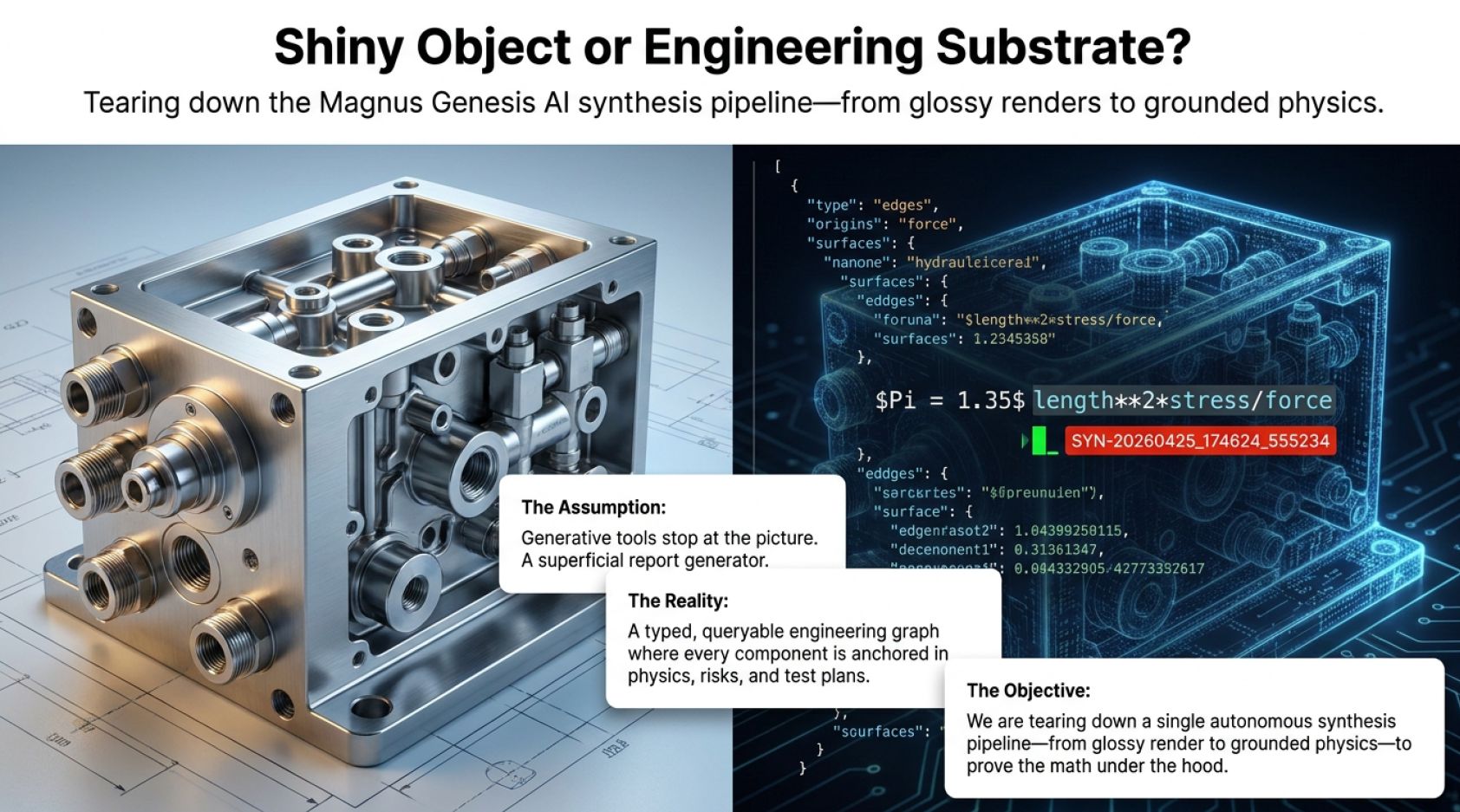
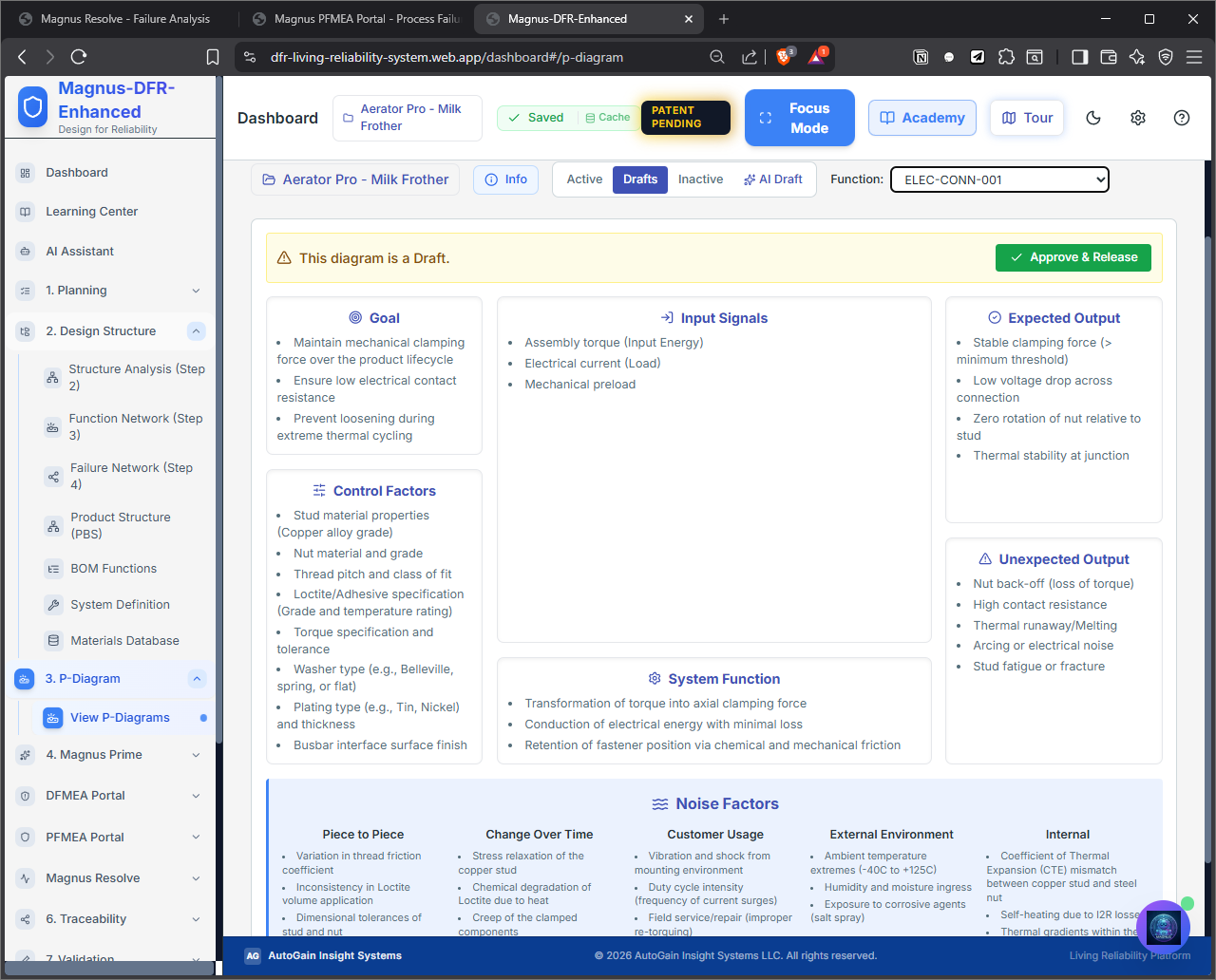
Unlike LLM-based suggestions, Magnus's physics engine uses algebraic failure mode mappings across 21 physics domains (electromagnetic, thermal, mechanical, fluid, chemical, etc.). This delivers deterministic, traceable suggestions with zero API tokens and sub-50ms latency — no hallucination possible.
Electromagnetic · Thermal · Mechanical Stress · Vibration · Fatigue · Fluid Dynamics · Chemical · Corrosion · Tribology · Acoustics · Optical · Radiation · Material Science · Thermodynamics · Kinematic · Dynamic · Electrical · Magnetic · Pneumatic · Hydraulic · Nuclear
The Magnus Ecosystem
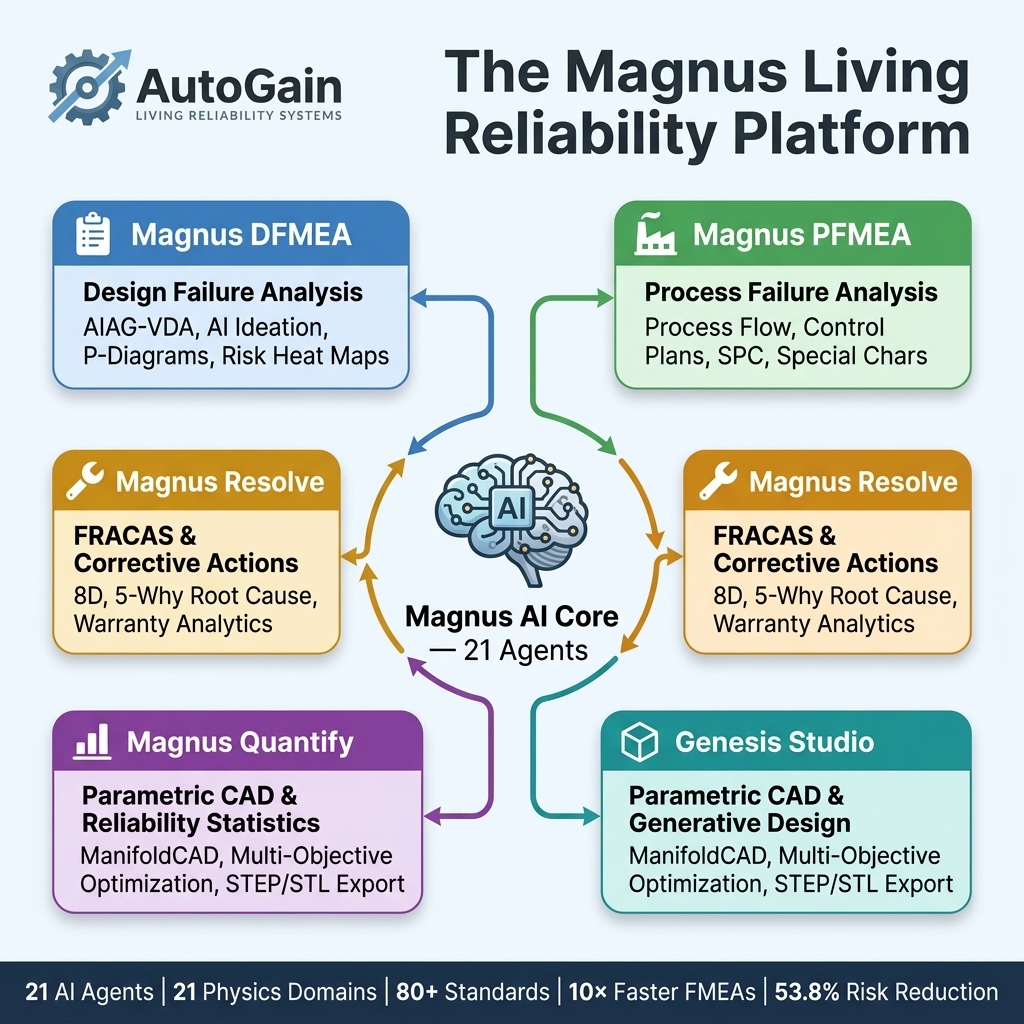
Every app in the Magnus suite is connected through shared AI intelligence, data, and workflows. Design decisions flow to process, field failures feed back to design.
Magnus DFMEA transforms reactive failure analysis into proactive risk-driven design intelligence. Capture every potential design failure mode, score severity, occurrence, and detection, then drive corrective actions to closure — all in a collaborative, real-time environment connected to your entire reliability workflow.
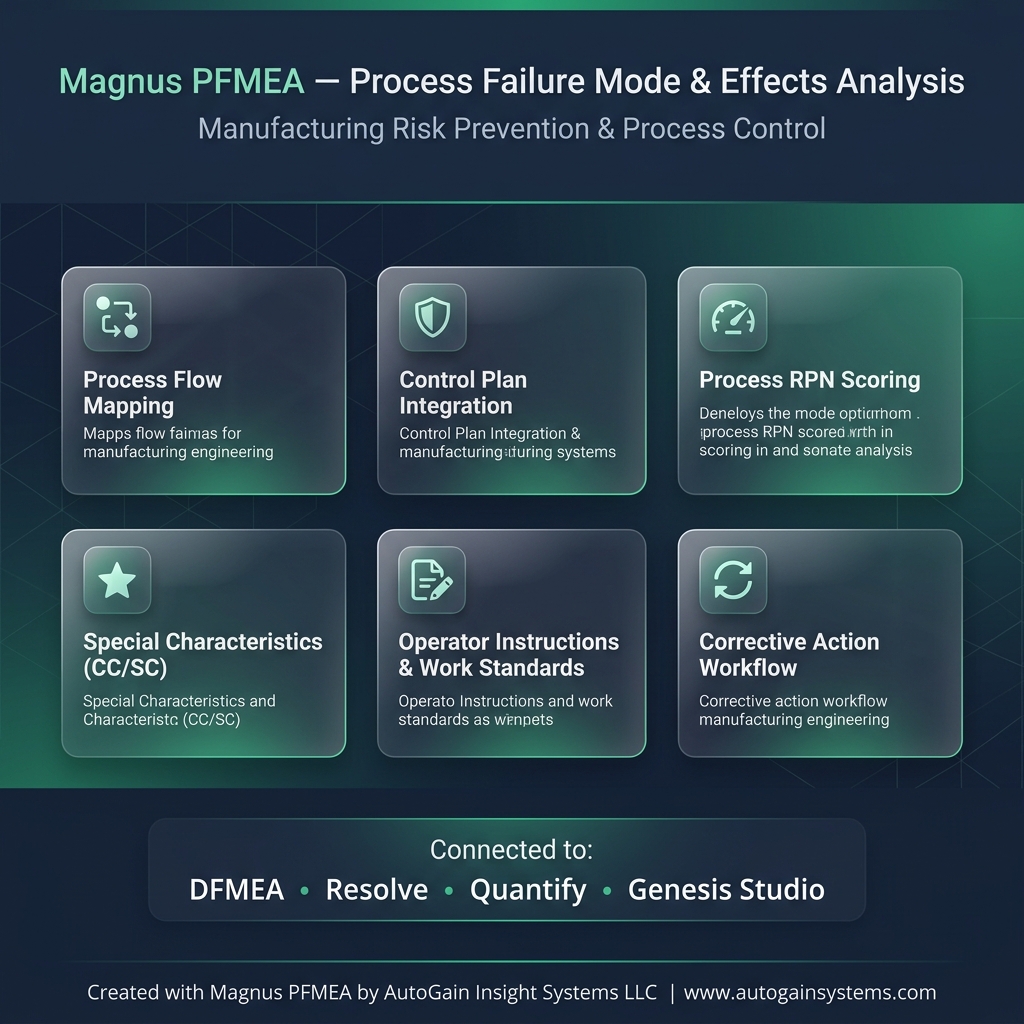
Magnus PFMEA closes the gap between design intent and manufacturing reality. Map your process flow, identify every step where defects can be introduced, and build control plans that prevent escapes before they reach your customer. Integrated with SPC, MSA, and capability data from Quantify.
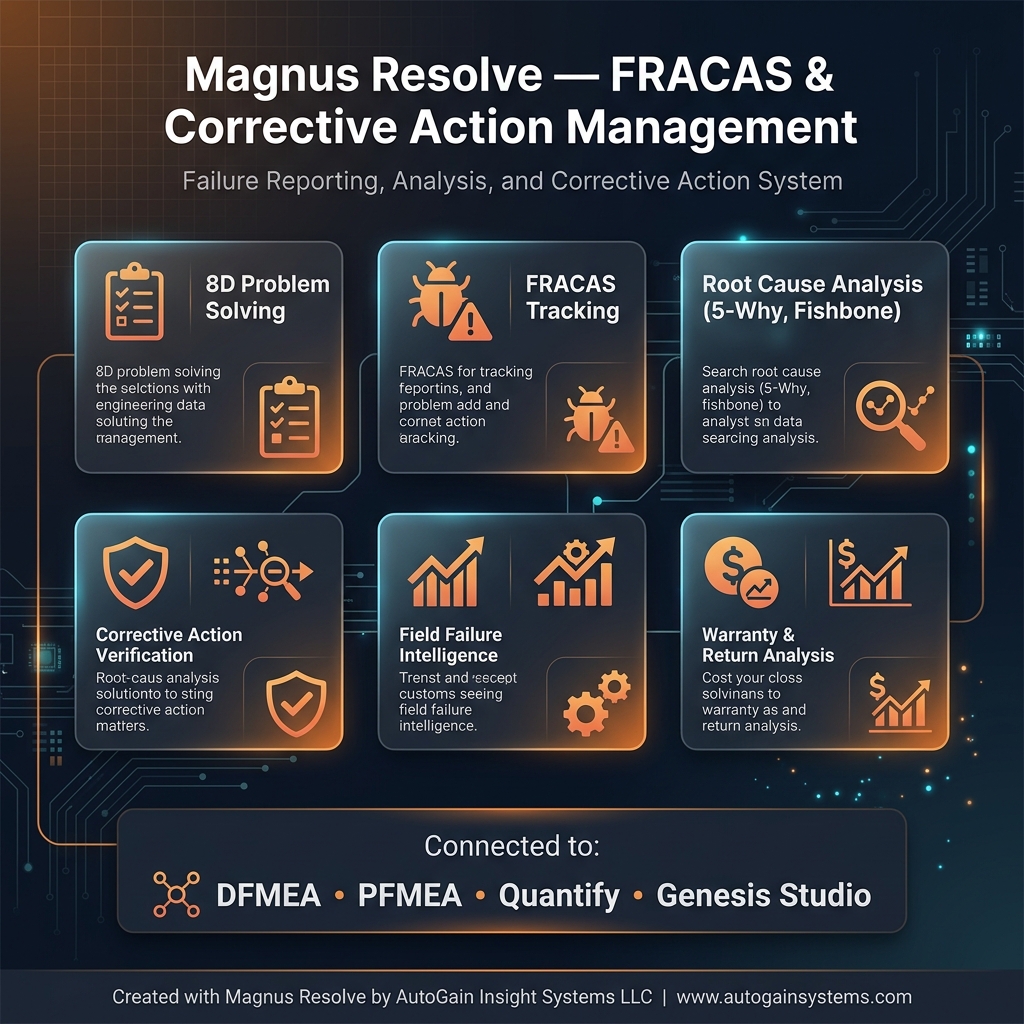
Magnus Resolve is your Failure Reporting, Analysis, and Corrective Action System (FRACAS). When things go wrong — in the field, on the line, or in the lab — Resolve captures the failure, drives systematic root cause analysis using 8D/5-Why/Fishbone, and ensures corrective actions are verified effective. Every resolution feeds back into your FMEA and reliability models.
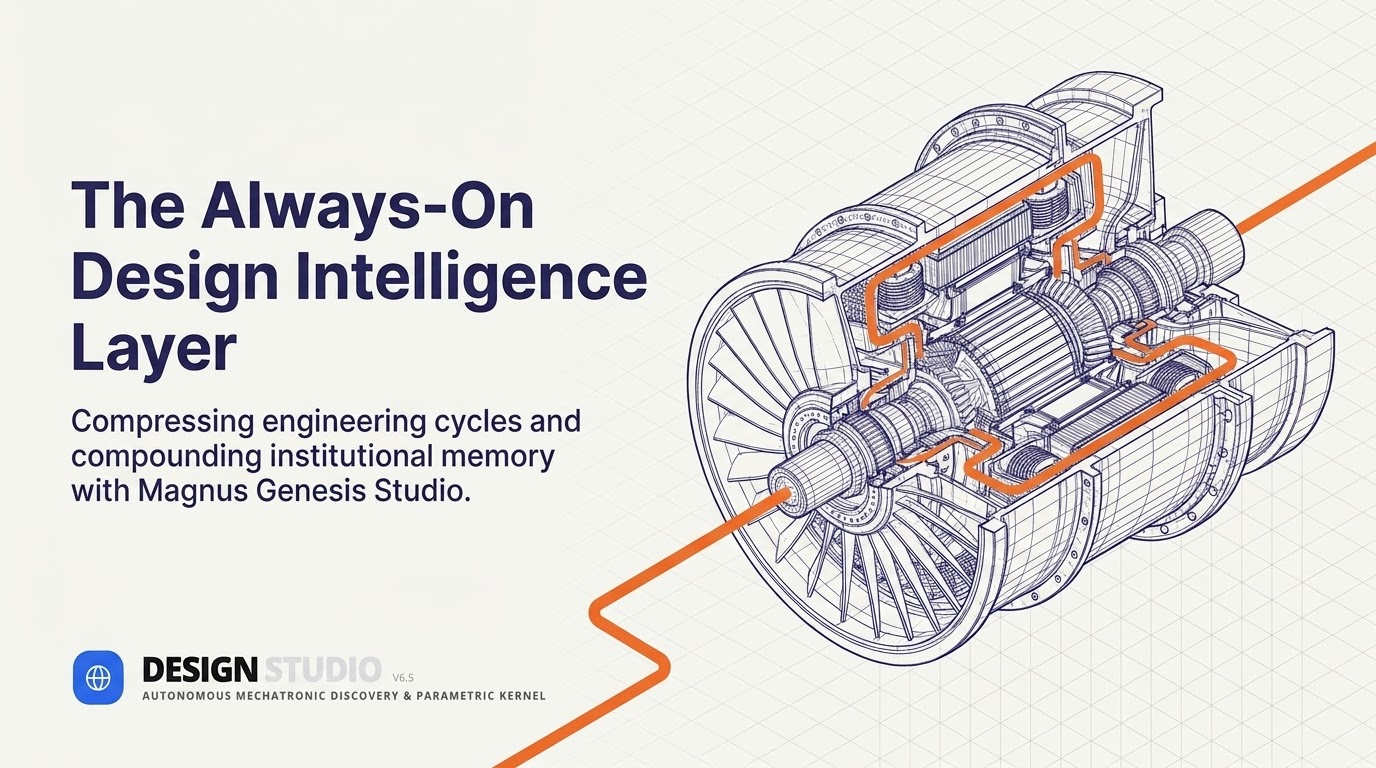
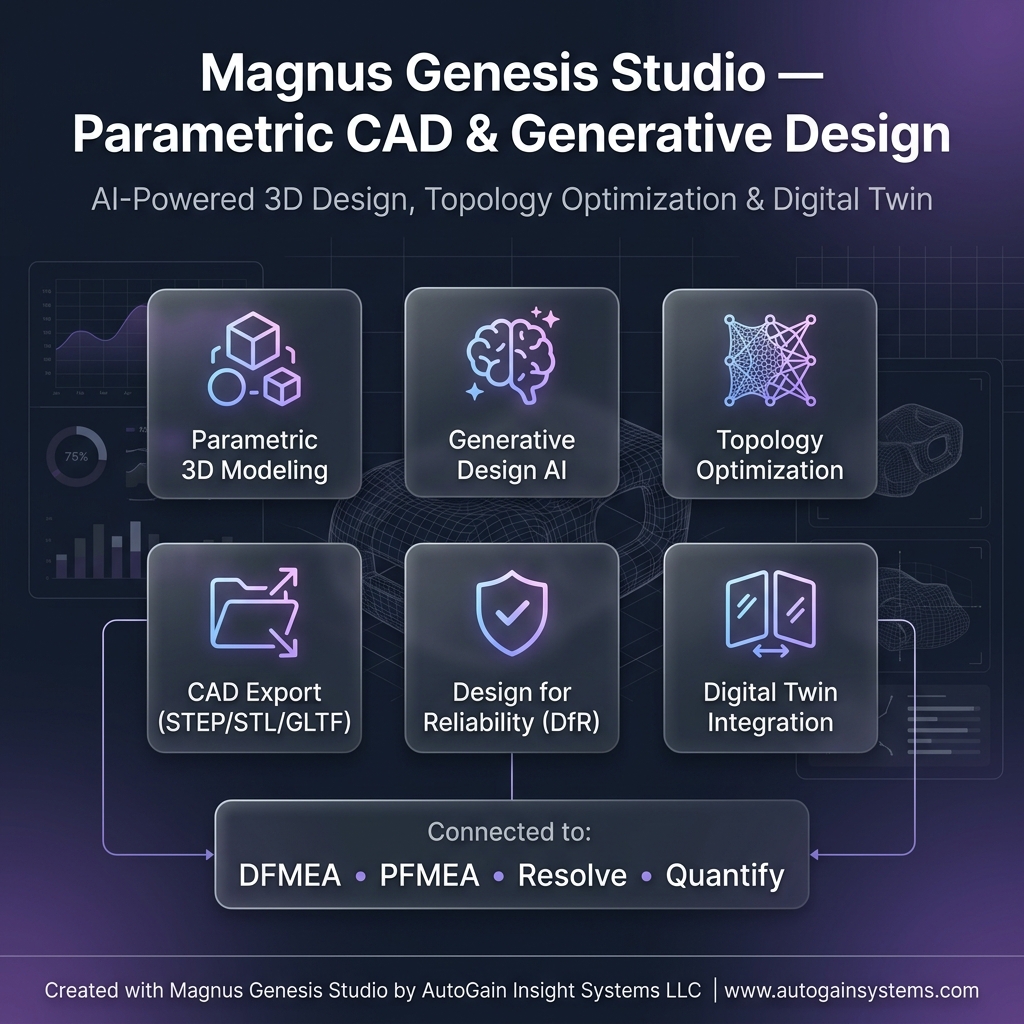
Magnus Genesis Studio brings AI-powered parametric design and generative optimization to reliability engineering. Define your design space with parameters, constraints, and physics — then let Genesis explore thousands of configurations to find the optimal geometry for strength, weight, cost, and reliability simultaneously.
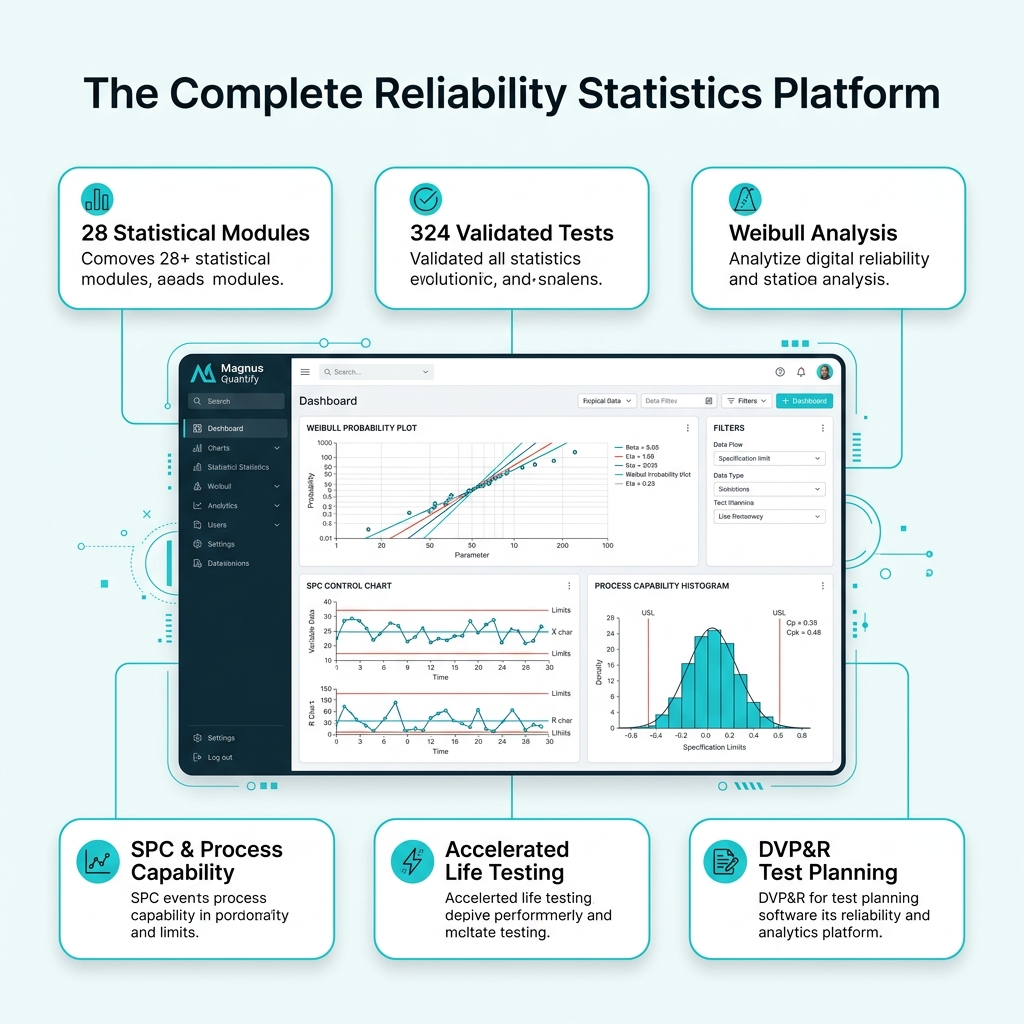
The complete reliability statistics platform — 28 specialized modules, 324 validated tests, 53 worked examples. Weibull life data analysis, SPC, DOE, MSA, accelerated life testing, DVP&R test planning, and warranty analytics — all in one browser-based tool with no coding required.
The Closed-Loop Advantage
Magnus connects every phase of your product lifecycle. Field failures feed back to design. Every cycle makes the platform smarter.
AI learns from every cycle — the Heritage Learning Database compounds knowledge across all projects.
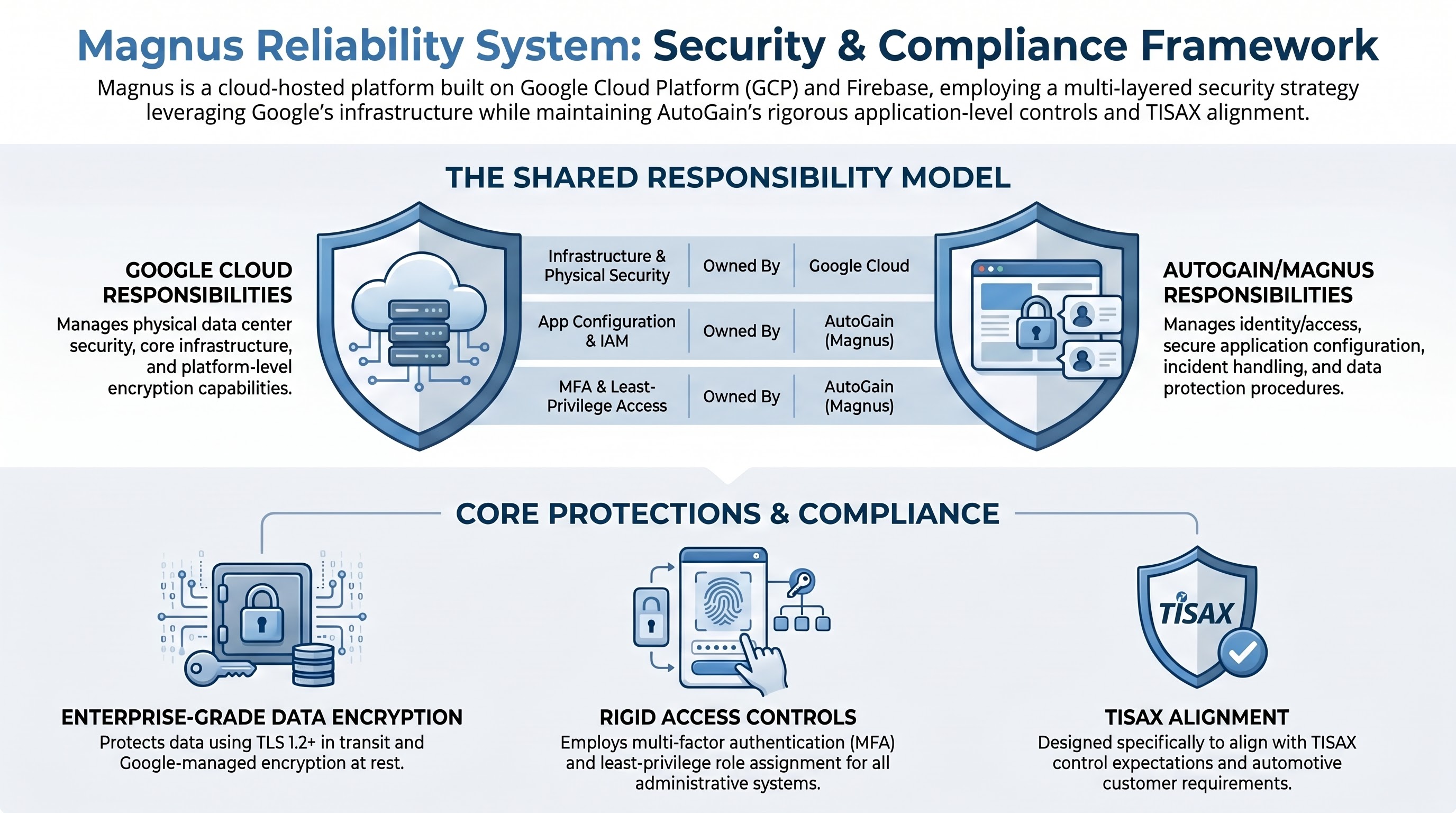
Standards & Compliance